
Right-size the system
We check fuel type (gas or electric), venting route, and your hot-water demand so the new unit matches how you actually use hot water.
Serving Seattle, Washington & surrounding areas
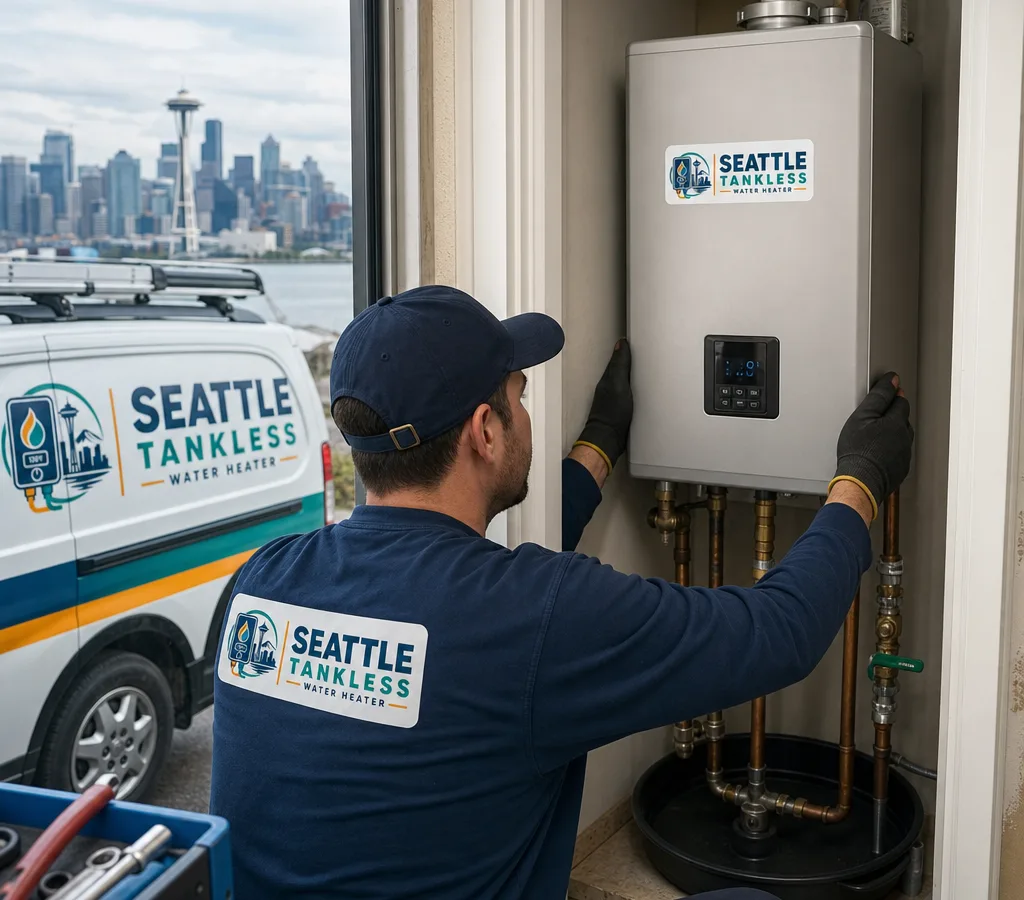
Water heater replacement · Seattle
Get reliable hot water again with a clean, code-aware replacement. We confirm the right size, handle removal and installation, and leave you with a system that's safe, vented correctly, and easy to maintain.
A leaking, corroded, unreliable, or undersized water heater should be assessed before another repair puts off an unavoidable replacement.
Replacement guidance
If you're searching for water heater replacement Seattle WA, you're usually dealing with one of two problems: no hot water, or a tank that's starting to fail in ways you can't ignore. A replacement is often the smarter move when the tank is leaking, there's corrosion around fittings, the burner or elements have repeated issues, or the unit can't keep up with your household's demand.
In Seattle homes, water heater access can be tight—closets off hallways, basements with narrow stairs, or small utility rooms in newer townhomes. A proper replacement plan accounts for safe removal, protection of floors and trim, and a final setup that meets manufacturer requirements for clearances, venting, and combustion air when applicable.
Seattle Tankless Water Heater replaces standard tank and tankless water heaters. The goal is simple: you should know what you're getting, why it's the right fit, and what the install includes before work begins. Tankless water heaters in Seattle are also available when your home and venting setup support them.
Complete replacement scope
We check fuel type (gas or electric), venting route, and your hot-water demand so the new unit matches how you actually use hot water.
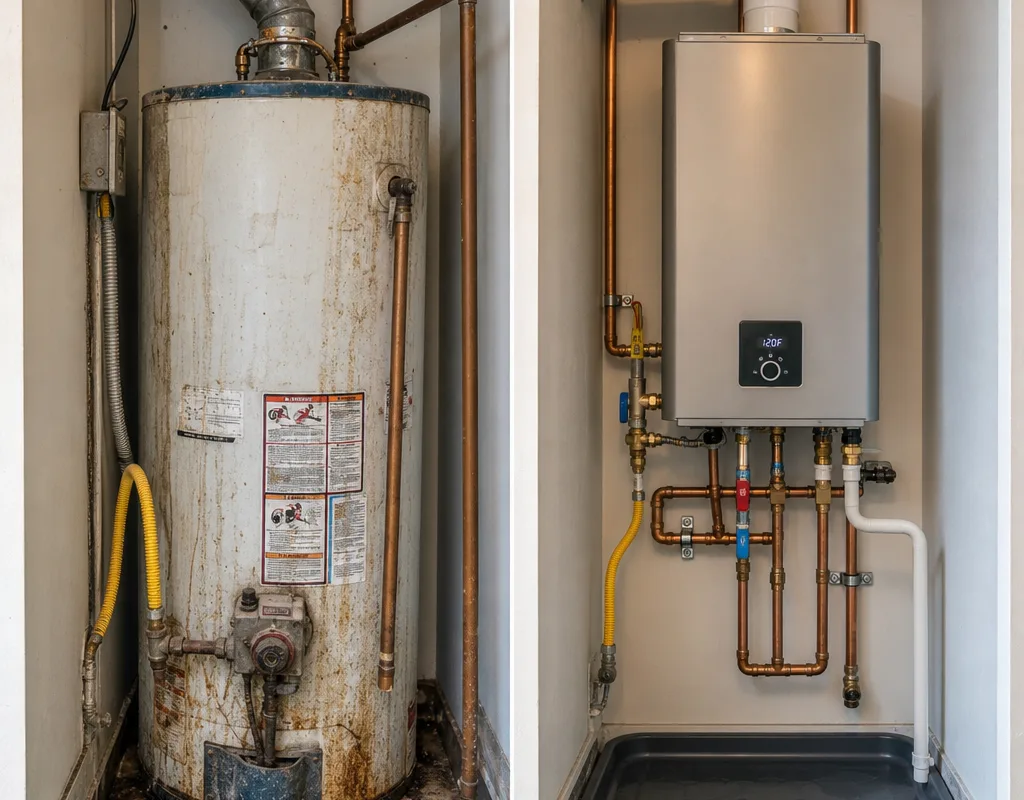
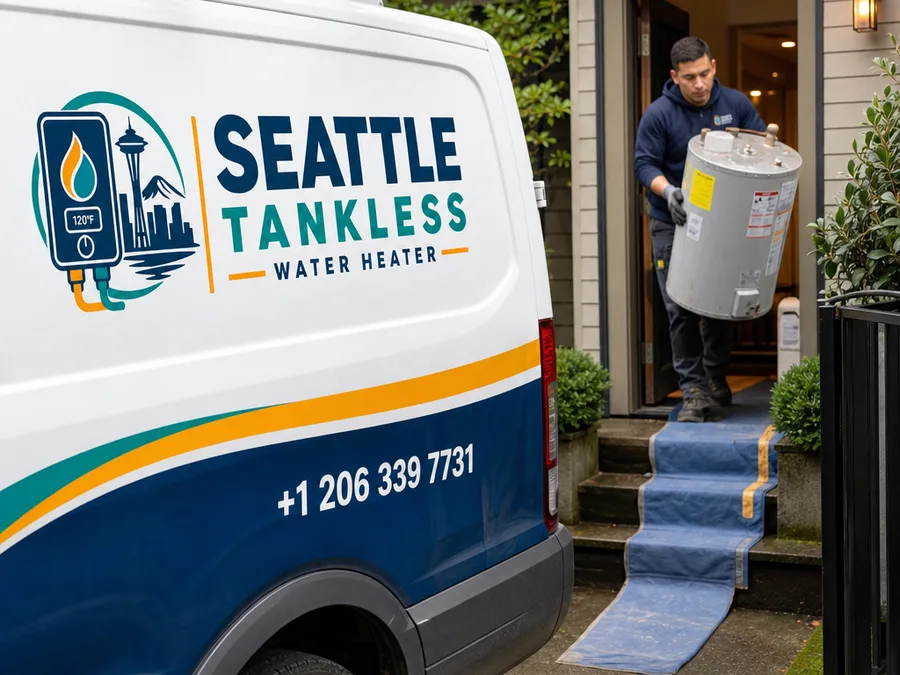
Old heater disconnected, drained, and removed with care for tight stairwells and finished spaces, then the new unit set level with the right supports and connections.
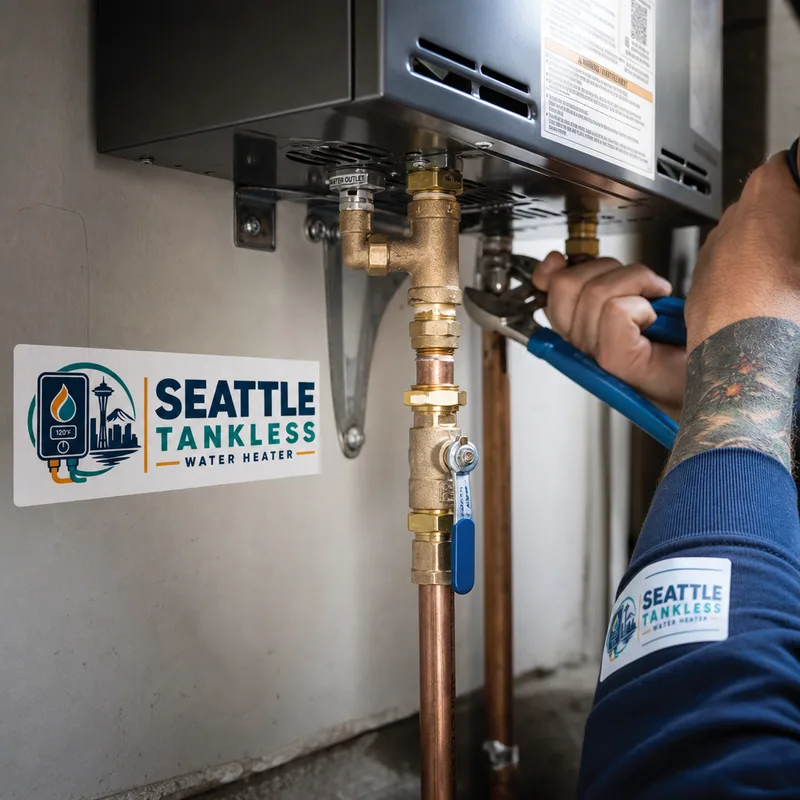
We verify shutoff accessibility, temperature and pressure (T&P) relief discharge routing, and expansion control when required by the system design.
For gas units, we confirm draft and venting compatibility and a safe exhaust path, because venting problems can create performance and safety issues.
We test for leaks, confirm temperature operation, and show you basic settings and maintenance items like flushing schedules and filter checks for tankless systems.
Installation considerations
A good replacement is more than swapping a box. The tricky parts usually show up in the details.
In Capitol Hill and parts of Queen Anne, older homes and smaller mechanical spaces often mean tighter clearances, older vent paths, and existing shutoffs that may not be where you'd want them. In Ballard and Greenwood, you may see a mix of older basements and updated kitchens or laundry areas where water heaters got relocated over the years, which can affect drain pans, discharge routing, and earthquake strapping. In South Lake Union and downtown-adjacent condos, building rules, elevator access, and limited storage can change how removal and staging work.
We plan the replacement around those constraints before the unit comes out. That includes confirming how we'll move equipment, where we can safely drain, and what the venting and gas or electrical connections will require. The result is a water heater replacement Seattle can rely on, not a rushed install that creates callbacks.
If you're also dealing with scaling, inconsistent temperature, or want to reduce the footprint in a small mechanical closet, tankless water heater installation can be a practical upgrade in some Seattle properties, as long as venting, gas sizing, and condensate handling are addressed correctly.
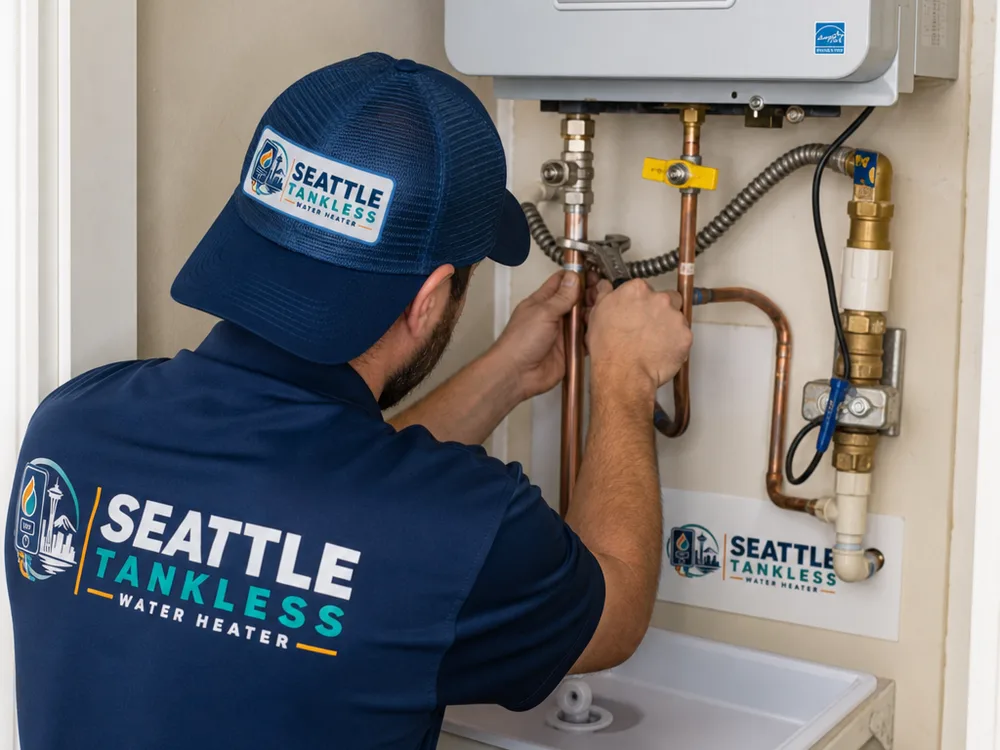
We confirm fuel type, capacity needs, location constraints, venting route (if gas), and any signs of plumbing or electrical issues that need to be handled during replacement.
You get a clear plan for what's being replaced, what connections are included, and what changes (if any) are needed for venting, valves, or code items.
We shut down safely, drain the old unit, remove it carefully, set the new heater, connect water and power or gas, and install required safety components.
We bring the heater online, check for leaks, verify temperature and operation, and confirm proper venting performance on gas equipment.
We clean the work area, haul away the old unit where applicable, and walk you through basic maintenance and what to watch for after the first few heat cycles.
Seattle pricing guidance
Water heater replacement in Seattle typically ranges from $2,000 to $6,500+, depending on whether it's a standard tank or tankless unit and how much venting, electrical, or gas-line work is required. A like-for-like tank replacement with straightforward access is often at the lower end, while tankless replacements, vent modifications, condensate handling, or tight-access installs usually push costs higher.
Your final price depends on capacity and fuel type, access and removal complexity, venting route, valve and piping condition, permit needs, and whether safety items like expansion control are needed for your setup. Exact cost is confirmed after an on-site evaluation of the existing unit and connections.
Installation details
Common questions
Most water heater replacements take a few hours, but the timeline extends if venting changes are needed, access is difficult (tight basements or closet installs), or plumbing and shutoff updates are required. If you live in a condo or multi-unit building, building rules for delivery and disposal can also add time.
Many water heater replacements require a permit and inspection, especially when gas piping, venting, or electrical work is involved or when the replacement changes the installation configuration. We'll tell you what applies to your specific replacement after we see the current setup and the type of unit being installed.
Not always. The right size depends on your household's hot-water usage patterns, fixture count, and whether you run multiple showers or appliances at the same time. Replacing with the same size can work when the old unit was correctly sized, but we verify demand and recovery so you don't end up short on hot water or paying for capacity you don't use.
Yes, but it depends on venting route, gas supply sizing (for gas tankless), electrical capacity (for electric tankless), condensate handling, and available wall space. A conversion is often a good fit when you want to free up floor space in a closet or reduce standby heat loss, but it should be planned so the system is supported correctly.
The biggest drivers are venting work on gas units, upgrading shutoffs and piping that are corroded or poorly placed, tight access that increases labor, and bringing the installation up to current safety expectations, like proper discharge routing and support. We outline these items in the written scope so you can make decisions before the old unit is removed.
In most replacements, removal and disposal of the old heater can be included, but it depends on access constraints and building rules, especially in multi-unit properties. We confirm the removal plan during the on-site evaluation so there's no confusion on installation day.
Schedule an assessment
Tell us what you're seeing—leaks, no hot water, or inconsistent temperature—and where the unit is located. We'll confirm the right replacement option for your Seattle home and provide a clear scope and upfront price before any work starts.